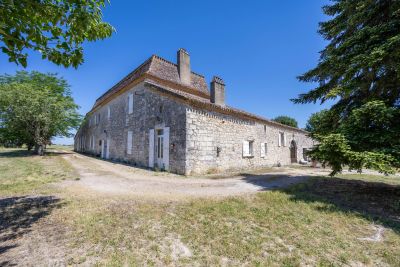
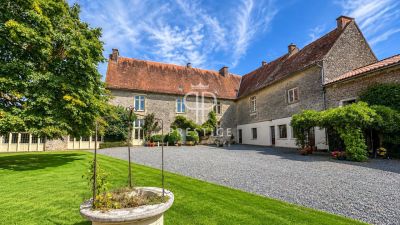
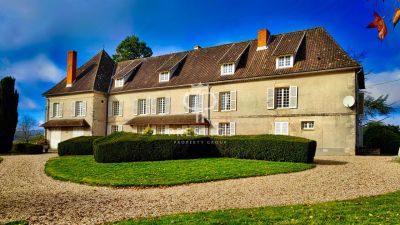
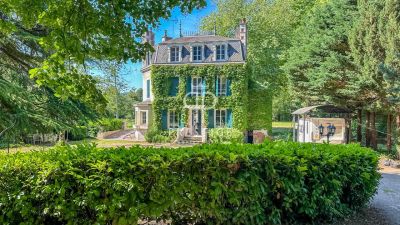
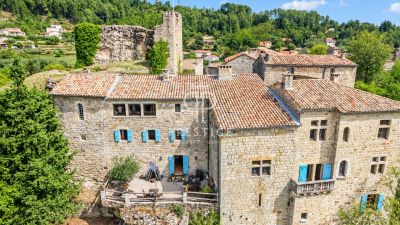
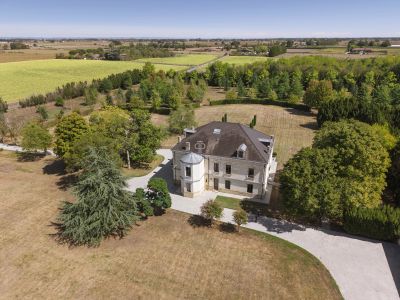
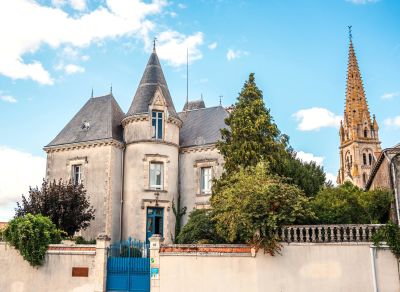
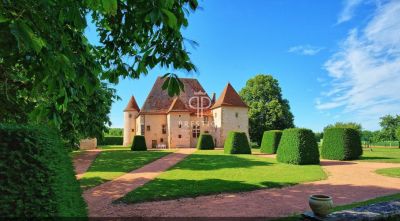
French Châteaux for Sale: The Ultimate Guide to Buying a Château in France
Discover the extraordinary world of French château ownership, from affordable historic properties and ambitious restoration projects to magnificent country estates, luxury residences and established hospitality businesses.
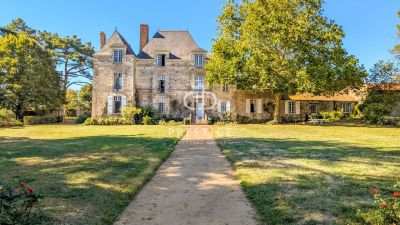
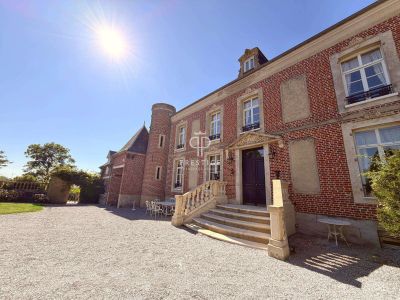
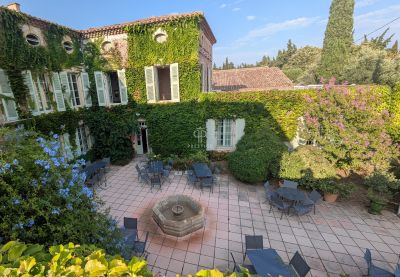
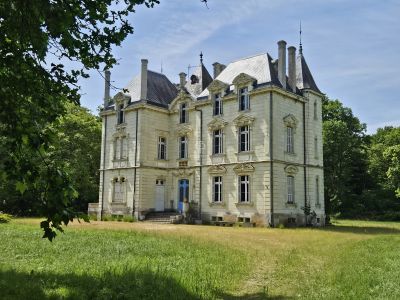
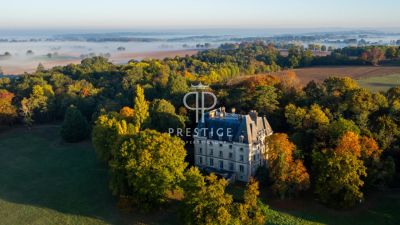
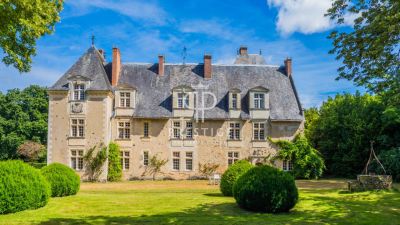
France has long captured the imagination of people dreaming of owning a château. From Renaissance palaces overlooking the Loire to elegant nineteenth-century country houses, medieval fortresses and romantic estates hidden among the vineyards of the Dordogne, the French château represents something that is increasingly difficult to find elsewhere: history, architectural distinction, privacy, space and the freedom to create something extraordinary.
Yet owning a château is no longer simply an unattainable fantasy reserved for the exceptionally wealthy.
Across France, there are historic properties available at a remarkable range of prices. Some offer the opportunity to acquire a substantial country residence for less than the cost of a modest London home. Others are magnificent estates with extensive parkland, guest accommodation, swimming pools, vineyards, lakes and the potential to operate a successful hospitality business.
Whether you are looking for a private family residence, a European second home, a restoration project or a château with income-producing potential, understanding the market is the first step towards finding the right property.
At Prestige Property Group, we specialise in international property and have been helping buyers discover exceptional homes for more than 25 years.
Our collection of French châteaux encompasses properties across a wide variety of regions, architectural styles, budgets and conditions.
Explore our French châteaux for sale and discover what could be possible.
1. How Much Does a Château in France Cost?
One of the biggest surprises for prospective buyers is the extraordinary variety of French château prices.
The word château covers a remarkably broad range of properties. It might describe a relatively modest historic manor house in rural France, a substantial former family estate or a grand residence with dozens of bedrooms, extensive grounds and numerous outbuildings.
Consequently, two properties described as châteaux can have very little in common in terms of their size, condition, location or purchase price.
As an initial guide, buyers may encounter opportunities ranging from approximately €300,000 to several million euros, with exceptional estates commanding considerably more.
The following figures are illustrative search budgets, not verified market averages or guarantees of availability.
Under €500,000: An Affordable Introduction to Château Ownership
At this level, buyers are generally looking for smaller historic properties, modest manor houses, former country estates or châteaux requiring substantial renovation.
Depending on the location, a property might offer impressive architectural features, generous interior space, outbuildings and some land.
However, the condition of the building is particularly important. A seemingly inexpensive château may require extensive expenditure on its roof, structural repairs, heating, electricity, plumbing and interior restoration.
Some properties at this price level are perfectly capable of becoming attractive family homes, while others represent major building projects.
Best suited to: Buyers with realistic expectations, renovation experience and the financial resources to undertake additional work.
€500,000–€1 Million: The Search for Exceptional Value
This is an interesting budget for buyers prepared to explore beyond France’s most internationally famous locations.
Depending on the region and condition, it may provide access to substantial historic houses, smaller châteaux, elegant manor houses and properties with attractive grounds.
Some buildings will already be habitable, while others may require modernisation or the restoration of particular sections.
The key is to look beyond the asking price. A property costing €650,000 that requires €400,000 of work may ultimately be more expensive than a well-maintained château offered at €950,000.
Best suited to: Buyers seeking a substantial historic residence, a second home or a property that can be improved over time.
€1 Million–€2 Million: A Wider Choice of Estates
With a budget of €1 million to €2 million, buyers may find a broader selection of substantial châteaux and country estates.
Depending on the location, properties can include several hundred square metres of accommodation, established gardens, parkland, swimming pools, guesthouses, barns and other outbuildings.
Some will be ready to enjoy immediately, while others offer opportunities to improve the accommodation or introduce additional facilities.
This budget can also be attractive to buyers considering a hospitality business, particularly where the property already has guest rooms, independent accommodation or suitable communal spaces.
Best suited to: Buyers seeking a substantial family estate, a luxury second home or a property with potential for carefully planned commercial use.
€2 Million–€5 Million: Grand Country Houses and Established Estates
At this level, buyers can explore some impressive properties, including beautifully restored châteaux, historic estates with extensive grounds and residences offering a high level of comfort.
Depending on location, properties may feature formal gardens, mature parkland, swimming pools, tennis courts, guest accommodation, reception rooms and impressive entertaining spaces.
Some may already operate as boutique hotels, wedding venues, holiday accommodation or other hospitality businesses.
For buyers intending to generate income, the distinction between an attractive property and a viable business becomes particularly important.
Existing turnover, operating costs, staffing requirements, planning permissions and the condition of commercial facilities should all be investigated before making an investment decision.
Best suited to: Buyers seeking an impressive principal residence, a luxury retreat or an estate with established facilities.
€5 Million and Above: Exceptional French Estates
At the upper end of the market, buyers may encounter magnificent historic residences, prestigious vineyard estates, exceptional architectural properties and substantial estates with extensive land.
Depending on the property, features can include formal gardens, private lakes, multiple guesthouses, extensive parkland, equestrian facilities, vineyards and historic outbuildings.
Location becomes particularly significant at this level. International accessibility, proximity to prestigious towns, the reputation of the surrounding area and the quality of the restoration can all influence value.
For buyers seeking something genuinely exceptional, France offers a remarkable range of possibilities.
Best suited to: Buyers looking for outstanding architecture, privacy, substantial grounds or a prestigious European estate.
Why do château prices vary so dramatically?
Several factors influence the value of a French château:
- Location: Proximity to Paris, major cities, international airports, TGV stations and popular tourist destinations.
- Condition: Whether the building is fully renovated, habitable but dated, or in need of major structural work.
- Size: Both the usable living area and the number of buildings included in the estate.
- Land: The size, quality and usability of the grounds, woodland, farmland or vineyards.
- Architecture: The property’s period, originality, historic significance and architectural features.
- Amenities: Swimming pools, tennis courts, guesthouses, equestrian facilities and other attractions.
- Commercial potential: Existing accommodation, business facilities and the feasibility of operating a hospitality enterprise.
- Energy performance: The cost of heating and maintaining a large historic building.
The important point is that the asking price alone rarely tells the whole story.
A smaller, beautifully restored château in an attractive location may offer a better ownership experience than a much larger property requiring years of work.
Equally, a buyer with a clear vision and the right budget may see considerable potential in a restoration project that another buyer would find daunting.
2. Understanding the French Château Market
The French château market is unusual because it combines residential property, historic architecture, rural land and, in some cases, commercial real estate.
It is therefore difficult to analyse it in exactly the same way as the market for conventional houses.
A château with four bedrooms and a manageable garden attracts a very different buyer from a thirty-bedroom estate with several hectares of parkland and an established wedding business.
Is now a good time to buy a château in France?
There is no universal answer, because opportunities vary according to location, property type, condition and asking price.
France’s wider residential property market experienced a substantial slowdown before transaction activity began recovering. Notaires de France reported a recovery in existing-home transactions during 2025, although price movements were modest and the wider economic outlook remained uncertain. These national figures provide context, but they should not be treated as a direct measure of château prices. (Notaires de France)
For château buyers, several considerations are particularly important.
First, the choice of properties. Rural France offers a broad selection of historic properties, but individual estates differ enormously. Finding the right combination of location, condition, land and price often requires patience.
Second, the cost of restoration. A property requiring major work can appear attractively priced, but construction costs, specialist trades and the complexity of historic buildings can significantly increase the final investment.
Third, the seller’s circumstances. Some properties have been owned by the same family for generations. Others are being sold following retirement, a change in business plans or a decision to reduce the responsibilities associated with a large estate.
Finally, realistic pricing. A château’s asking price is not necessarily the price at which it will sell. Buyers should consider comparable properties, the length of time a property has been marketed, its condition and the likely cost of bringing it up to their requirements.
Are French châteaux good investments?
They can be attractive purchases for the right buyer, but they should not automatically be regarded as investments that will appreciate in value.
A château can provide considerable lifestyle value, the opportunity to own a distinctive historic property and, in appropriate circumstances, an income from accommodation or events.
However, large buildings can be expensive to maintain. Resale markets are narrower than those for conventional houses, and the cost of restoring a property may not be reflected fully in its eventual selling price.
Buyers should distinguish between three different objectives:
- Lifestyle ownership: Buying a château primarily to enjoy as a home or second residence.
- Capital investment: Purchasing with the expectation of preserving or increasing the property’s value over time.
- Commercial investment: Acquiring an estate with a realistic plan for generating income.
These objectives can overlap, but they require different approaches to budgeting and due diligence.
For a commercial purchase, investigate the business as carefully as the building. For a lifestyle purchase, give appropriate weight to the enjoyment the property will provide and the ongoing cost of ownership.
3. Where Are the Best Places to Buy a Château in France?
France offers an extraordinary variety of regions in which to buy a château.
Some are internationally renowned for their grand architecture and established tourism markets. Others offer more understated historic properties, quieter rural surroundings and potentially lower purchase prices.
The best location depends on what you want from the property.
The Loire Valley: The Classic French Château
The Loire Valley is synonymous with French château architecture.
Its historic landscape includes magnificent Renaissance residences, formal gardens, elegant country houses and substantial estates associated with centuries of French history.
The wider region offers a particularly varied choice of properties, from substantial manor houses to grand residences with extensive parkland.
Accessibility is another attraction. Depending on the precise location, buyers can benefit from rail connections to Paris, regional airports and established tourist infrastructure.
The Loire Valley can suit buyers seeking an architectural showpiece, a substantial family home or a property with potential for tourism.
However, prices vary considerably. Highly restored properties in desirable locations can command substantial premiums, while less prominent estates may offer more space for the money.
Ideal for: Buyers seeking classic château architecture, historic surroundings and access to established visitor destinations.
Dordogne and Périgord: Rural Charm and Character
The Dordogne is one of the best-known areas of rural France among international property buyers.
Its appeal includes medieval villages, rivers, wooded countryside, traditional stone architecture and a long-established market for second homes.
The wider Périgord area offers a diverse collection of historic properties, including manor houses, country estates and châteaux.
Buyers may find properties with substantial gardens, agricultural buildings, woodland, guest accommodation and swimming pools.
The region is also attractive to people considering holiday rentals, provided the property’s location, facilities and operating arrangements support a viable business.
As elsewhere, prices depend on proximity to popular towns, the property’s condition, its land and the quality of the accommodation.
Ideal for: Buyers seeking a rural retreat, a family estate or a property with potential for holiday accommodation.
Nouvelle-Aquitaine: Space, Variety and Rural Estates
Beyond the Dordogne, the wider Nouvelle-Aquitaine region offers a considerable variety of landscapes and property types.
Depending on the location, buyers can find historic estates surrounded by farmland, wooded grounds, vineyards or rolling countryside.
The region is particularly worth considering for buyers who want substantial land without necessarily paying the premium associated with France’s most internationally recognised prestige locations.
Properties vary from relatively modest historic residences to large estates with extensive outbuildings.
The key is to identify the lifestyle you want and then investigate the surrounding area carefully. Access to shops, healthcare, transport and local services can make a substantial difference to everyday life.
Ideal for: Buyers prioritising space, privacy, rural living and a wide choice of property styles.
Burgundy: Historic Estates and Wine Country
Burgundy offers a distinctive combination of historic architecture, attractive countryside, vineyards and established gastronomic traditions.
Its property market includes traditional manor houses, substantial country residences and estates with land or agricultural buildings.
Some properties may offer opportunities connected with wine tourism, food, hospitality or holiday accommodation, although commercial viability must always be assessed individually.
The region’s position in eastern and central France also makes transport connections an important consideration when comparing properties.
Ideal for: Buyers seeking an elegant country residence, a gastronomic lifestyle or an estate in an established historic region.
Centre-Val de Loire: Central France and Historic Architecture
Beyond the Loire’s best-known tourist destinations, the wider Centre-Val de Loire region offers a variety of rural estates and historic houses.
Depending on the department, buyers may find substantial properties at different price points, including buildings that require modernisation or restoration.
For some purchasers, this is an opportunity to acquire a larger property or more land than might be possible in a highly sought-after tourist location.
The practicalities of ownership remain important. A remote estate may offer exceptional privacy, but it may also require a car for almost every journey and additional expenditure on grounds maintenance.
Ideal for: Buyers seeking historic architecture, rural surroundings and potentially attractive value.
Occitanie: Character Properties and Southern French Living
Occitanie covers a large and diverse area of southern France, with landscapes ranging from Mediterranean coastlines to inland countryside and the foothills of the Pyrenees.
The region includes historic country houses, manor houses and châteaux in a variety of architectural styles.
Depending on the location, buyers may benefit from a warmer climate, access to outdoor activities and proximity to established regional centres.
Properties further inland may offer different price opportunities from those close to the Mediterranean coast or major cities.
Buyers should also consider summer temperatures, water availability, fire exposure where relevant and the suitability of the building for year-round occupation.
Ideal for: Buyers seeking southern French living, rural estates and a range of architectural styles.
Provence: Prestige, Climate and Mediterranean Appeal
Provence has an established international reputation for its climate, landscapes, food and quality of life.
Historic country residences and château-style estates can offer attractive architecture, gardens, mature trees and extensive grounds.
However, the Provence market is highly location-sensitive. Properties near prestigious towns, the coast and sought-after villages can command substantial premiums.
Buyers should not assume that a château in Provence will offer the same value for money as a comparable property in a less expensive rural region.
Maintenance also deserves particular attention, including swimming pools, gardens, water supplies and the effects of heat and drought.
Ideal for: Buyers seeking a prestigious southern French residence and a Mediterranean lifestyle.
Normandy: Historic Character and Accessibility
Normandy offers a different proposition, combining historic architecture, agricultural landscapes, traditional villages and convenient access to northern France.
Depending on the location, buyers can find substantial manor houses, former estates and châteaux with land and outbuildings.
Its accessibility from the UK can be attractive to buyers who expect to travel regularly between their French property and home.
The climate is generally different from that of southern France, so heating, damp prevention, roof condition and drainage deserve particular attention when inspecting older buildings.
Ideal for: Buyers seeking a historic country home within relatively convenient reach of the UK.
Northern and Eastern France: Opportunities Beyond the Familiar
Buyers prepared to explore less internationally publicised regions may discover historic properties offering substantial space and architectural interest.
Northern and eastern France contain a variety of manor houses, country estates and historic residences.
In some locations, asking prices may be lower than those associated with the most prestigious destinations.
However, lower acquisition costs should be weighed against local demand, accessibility, the availability of specialist tradespeople and the likely resale market.
A less expensive property can be an excellent purchase when its location and condition suit the buyer. It is not necessarily a bargain if it is difficult to maintain or sell.
Ideal for: Buyers who prioritise space, architectural character and value over an internationally famous address.
How should you choose a region?
Before deciding where to buy, consider five questions:
- How frequently will you travel to France, and from where?
- Do you want a private residence or a property with commercial potential?
- How much land do you need?
- Would you prefer a ready-to-enjoy home or a restoration project?
- Is proximity to shops, transport and tourism essential?
A useful starting point is to choose two or three regions and compare actual properties rather than attempting to select a region based on reputation alone.
Explore the French châteaux currently available through Prestige Property Group.
4. What Types of Château Can You Buy?
The term château covers several distinct types of property.
Understanding these differences can help buyers avoid overlooking suitable properties simply because they are described differently.
Renaissance and Classical Châteaux
These are often the properties people imagine when they think of a French château: symmetrical façades, elaborate stonework, formal gardens, grand reception rooms and impressive architectural details.
Some have been meticulously restored, while others require considerable work.
Their value depends on the quality of the architecture, condition, location, size and historical importance.
Medieval Châteaux and Fortified Estates
Older fortified properties can offer towers, defensive walls, unusual floor plans and a strong sense of history.
They can be extraordinarily atmospheric, but their age and construction may present particular challenges.
Uneven floors, difficult access, limited insulation and restrictions on alterations are among the issues buyers should investigate.
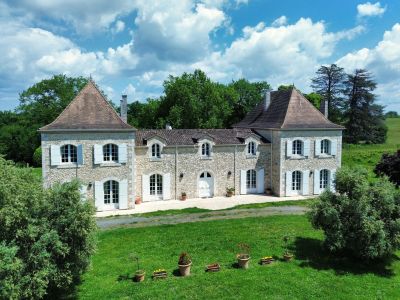
Manoir Houses and Smaller Historic Estates
A manoir or manor house may offer many of the attractions of château ownership on a more manageable scale.
Some have substantial grounds, outbuildings and impressive interiors without the responsibilities associated with a much larger estate.
Buyers should include these properties in their search, particularly if they want character and privacy without excessive maintenance.
Maison de Maître
A maison de maître is generally a substantial, traditionally styled residence associated with an established family or local notable.
These houses can offer high ceilings, large reception rooms, period fireplaces and generous proportions.
Although they may not have the towers or defensive features associated with a château, some provide an appealing alternative for buyers seeking historic character.
Châteaux Requiring Restoration
For some buyers, restoration is an essential part of the attraction.
A neglected château may provide an opportunity to recover architectural features, redesign the interior and create a property tailored to modern living.
However, the difference between a manageable renovation and a major restoration project can be considerable.
Before committing, establish the condition of the roof, structural elements, drainage, electrical installation, plumbing and heating systems. Obtain professional estimates and investigate planning and heritage restrictions.
The cheapest château is not necessarily the least expensive to own.
5. Buying a Château to Renovate: What Should You Expect?
Restoration can be one of the most rewarding aspects of owning a historic property, but it requires careful planning.
A château may have stood for hundreds of years, yet that does not mean it has been maintained adequately.
The condition of the building matters more than its apparent charm during an initial viewing.
The roof and structure
Begin with the roof, roof timbers, chimneys, external walls, foundations and evidence of water penetration.
Roof repairs on large historic buildings can be expensive, particularly where specialist materials or traditional construction techniques are required.
Structural movement, timber decay and long-standing damp problems also deserve professional investigation.
Heating and energy efficiency
Large stone buildings can be difficult and expensive to heat.
The age of the windows, insulation, heating system and overall energy performance can have a significant effect on running costs.
Buyers should examine the property’s diagnostic reports and obtain advice on appropriate improvements before committing to major expenditure.
Modernisation must also be balanced against the need to preserve important architectural features.
Plumbing, electricity and drainage
A building that looks impressive may have outdated or incomplete services.
Check the electrical installation, water supply, hot-water system, plumbing, drainage and any independent accommodation.
Where the property relies on a private drainage system, establish its condition and whether it complies with the applicable requirements.
Restoration budgets
It is not sensible to apply one universal renovation cost per square metre to every château.
The cost depends on the building’s condition, the quality of the proposed finish, local labour rates, access, the number of buildings involved and the extent of specialist work.
A property requiring decoration and bathroom upgrades presents a very different proposition from one needing a new roof, structural stabilisation and complete replacement of its services.
Obtain itemised estimates from appropriately qualified local professionals and include a contingency for unforeseen work.
A sensible rule is to establish the full cost of ownership before making an offer, rather than assuming that the purchase price represents the total investment.
Can you renovate a listed château?
Possibly, but the nature of the restrictions depends on the property’s legal and heritage status and the work proposed.
In France, buildings classified or registered as historic monuments can be subject to specific authorisation and conservation requirements.
Other buildings may also be affected by local planning rules or protected surroundings.
Before buying, establish the property’s exact status and consult the relevant authorities and specialists about the work you intend to undertake.
Do not assume that you can change windows, alter façades, remove historic features or extend a building simply because you own it.
6. The True Cost of Buying a Château in France
One of the most important steps is to distinguish between the purchase price and the total amount of money required to acquire, restore and operate the property.
Acquisition costs
For an existing property, buyers should generally allow approximately 7–8% of the purchase price for acquisition costs, subject to the precise circumstances of the transaction.
The actual amount can vary according to the nature of the property, the transaction structure and applicable taxes.
Ask your French notaire for a transaction-specific estimate before committing.
Restoration and modernisation
Budget for any work required immediately after purchase, as well as longer-term improvements.
This may include roofing, heating, plumbing, electricity, bathrooms, kitchens, windows, insulation, drainage and the restoration of architectural features.
If there are several buildings, assess each one separately.
Grounds and landscaping
Large estates can involve substantial ongoing work.
Consider the cost of maintaining lawns, formal gardens, woodland, access roads, gates, boundary walls, swimming pools, lakes and outbuildings.
A property with extensive grounds may require regular professional assistance, particularly if the gardens are formal or the estate is used for events.
Insurance and security
Insurance requirements vary according to the property, its use, condition, construction and location.
Historic buildings, vacant areas, commercial activities and unusual construction can all affect the cover available and its cost.
Obtain quotations based on the actual property rather than assuming that a conventional home insurance policy will be appropriate.
Heating and utilities
A large historic building may have considerable energy requirements.
Ask for recent utility bills, inspect the heating system and assess how much of the property will need to be heated regularly.
If the château has guest accommodation, a restaurant, a swimming pool or other facilities, include these in the assessment.
A realistic ownership budget
Before proceeding, prepare a budget covering:
- The purchase price.
- Acquisition costs and professional fees.
- Immediate repairs and renovation.
- Furniture and equipment.
- Annual maintenance and utilities.
- Grounds, insurance and security.
- A reserve for unexpected expenditure.
For a commercial estate, add staffing, marketing, regulatory compliance, operating costs and any required business investment.
A well-planned purchase should leave sufficient financial flexibility to deal with problems that only become apparent after completion.
7. Buying a Château in France as a British or International Buyer
France has a long-established market for international property buyers.
Foreign nationals can generally purchase property in France, although the financing, tax and legal implications will depend on their individual circumstances.
Buyers should obtain independent advice before deciding how the purchase should be structured.
The role of the notaire
The notaire is a French legal professional responsible for important aspects of the property transaction.
The notaire helps establish the legal position of the property, prepares and oversees the relevant legal documentation, deals with applicable taxes and formalities, and completes the transfer of ownership.
Buyers should feel comfortable asking questions and should ensure they understand the documents they sign.
Where appropriate, an English-speaking notaire or independent legal adviser can help international purchasers understand the process.
The preliminary contract
Once the parties agree on the terms, they will generally proceed to a preliminary sale agreement.
Depending on the transaction, this may be a compromis de vente or a promesse de vente.
The contract records the agreed terms, the price, the parties’ obligations and any relevant conditions.
Buyers should ensure that financing requirements and other necessary conditions are properly documented before signing.
The cooling-off period
A statutory ten-day withdrawal period generally applies to qualifying residential property purchases by non-professional buyers.
The precise application depends on the purchaser and transaction, so the notaire should confirm the relevant position.
Buyers should not assume that the same protections apply to every commercial or company purchase.
Completion
Once the relevant conditions have been satisfied, the parties proceed to the final deed of sale, known as the acte authentique.
The notaire oversees the completion formalities and the transfer of ownership.
The exact timetable depends on the transaction, financing arrangements and any outstanding conditions.
Financing a French château
Some buyers finance their purchase through cash, while others require a mortgage or another financing arrangement.
Financing can be more complicated for unusual properties, buildings requiring extensive work or estates with commercial elements.
A lender may take a different view of a château intended as a private residence from one intended to operate as a hotel or event venue.
Speak to a lender familiar with French property and obtain a clear understanding of the amount you can borrow before making commitments.
Tax and ownership structure
The appropriate ownership structure depends on the buyer’s residence, nationality, intended use of the property, financing and succession plans.
Income tax, capital gains tax, wealth-related tax rules, inheritance considerations and the tax treatment of rental income may all be relevant.
Company ownership or a French property-holding structure should never be adopted automatically. The advantages and disadvantages depend on the individual circumstances.
Obtain specialist cross-border tax advice before deciding how to hold the property.
8. Can a Château Generate Income?
For some buyers, the opportunity to generate income is an important part of the attraction.
A substantial property may lend itself to several different uses, depending on its location, layout, condition and the permissions in place.
However, potential income should be treated as a business proposition to investigate, not an automatic consequence of ownership.
Château hotels and boutique accommodation
A château with suitable bedrooms, bathrooms, reception areas and facilities may be suitable for boutique accommodation.
The quality of the location, ease of access, local attractions, operating costs and competitive landscape will all influence its prospects.
A property already operating successfully may offer useful evidence of demand, but buyers should investigate its accounts and operating arrangements rather than relying on headline turnover.
Weddings and events
Some estates are well suited to weddings, private celebrations, corporate events and other functions.
Features such as attractive gardens, large reception rooms, guest accommodation and parking can be important.
Before buying, investigate planning permissions, licensing requirements where applicable, noise restrictions, fire safety, accessibility and any limitations on the number or type of events.
Gîtes and holiday rentals
Independent cottages, apartments or guesthouses can sometimes be operated as holiday accommodation.
An estate with several independent units may offer greater flexibility than a château with only rooms within the main building.
Buyers should investigate local demand, seasonality, booking costs, cleaning, maintenance and the regulatory requirements applicable to the intended rental activity.
Retreats and specialist accommodation
Depending on the property, possible uses may include wellness retreats, culinary experiences, creative workshops, educational activities or specialist sporting holidays.
These concepts depend heavily on the facilities, the location and the intended customer base.
The cost of adapting the estate and obtaining the necessary permissions should be established before assuming that a particular business model is viable.
Vineyards, woodland and agricultural land
Some châteaux include vineyards, woodland, farmland or other land that may have an existing commercial use.
The value of these activities depends on the land, the assets included, operating arrangements and any relevant rights or obligations.
Buyers should establish exactly what is included in the sale and obtain specialist advice where the estate includes an agricultural or wine-producing business.
How to assess an income-producing château
Before buying a property for commercial purposes, investigate:
- Actual turnover and operating profit, where available.
- Occupancy rates and seasonality.
- Staffing and management requirements.
- Maintenance and capital expenditure.
- Existing licences and planning permissions.
- The condition and capacity of guest facilities.
- Marketing and distribution costs.
- The level of additional investment required.
A beautiful building can be an excellent starting point, but a successful hospitality business requires much more than an attractive setting.
9. What to Look for When Viewing a Château
A château viewing should involve more than deciding whether you like the rooms and gardens.
It is an opportunity to establish whether the property is suitable for your lifestyle, budget and longer-term plans.
Look beyond the main house
Inspect the entire estate, including guest accommodation, barns, garages, outbuildings, boundary walls, access roads and grounds.
Buildings that appear secondary during a viewing may require substantial expenditure.
Establish which buildings are included in the sale and whether any are subject to separate rights, tenancies or other arrangements.
Understand the land
The quantity of land is only part of the picture.
Consider whether it is usable, how it is maintained, whether it includes woodland or agricultural areas, and whether there are access rights or other restrictions.
If you require land for horses, livestock, gardening or commercial activities, check that it is suitable for that purpose.
Check the services
Ask about electricity, water, drainage, heating, internet connectivity and access to local services.
For rural properties, the availability and reliability of these services can be particularly important.
Investigate accessibility
Consider the distance to the nearest town, shops, medical services, railway station and airport.
If you intend to visit frequently from another country, travel time may have a significant influence on how much you enjoy the property.
Ask about recent expenditure
Where possible, obtain information about previous roof work, heating improvements, structural repairs, renovations and maintenance.
Ask for supporting invoices, warranties and professional reports where available.
A documented history of maintenance can be more useful than a general assurance that the building is in good condition.
Consider everyday life
Imagine how you will use the property in January as well as July.
Who will maintain the grounds? How much of the building will you heat? Will the property be manageable when you are there alone? Are the rooms and layout appropriate for your family?
The best château is not necessarily the grandest. It is the one that suits the way you intend to live.
10. Common Mistakes When Buying a Château
Choosing on appearance alone
An impressive façade and beautifully furnished reception rooms can be persuasive, but they do not establish the condition of the roof, structure or services.
Arrange appropriate inspections before committing.
Underestimating restoration costs
Historic buildings can contain surprises, and specialist work can be expensive.
Obtain professional estimates and maintain a realistic contingency.
Buying too much property
A château with dozens of rooms can be wonderful, but it also creates considerable responsibilities.
Think carefully about how much space you genuinely need and what you can afford to maintain.
Assuming commercial use will be permitted
A property that appears ideal for weddings, guest accommodation or a hotel may not have the necessary permissions.
Confirm the position with the relevant authorities before relying on a particular business plan.
Ignoring resale considerations
The buyer for a large historic estate may be harder to find than the buyer for a conventional house.
Consider location, accessibility, condition and the likely future market before making a purchase.
Failing to take independent advice
A property agent can help you identify suitable properties and navigate the search, but structural inspections, legal advice, tax planning and commercial assessments should be undertaken by appropriately qualified professionals.
The right advice at the outset can prevent expensive mistakes later.
11. Is Owning a French Château Right for You?
For some people, château ownership is a lifelong ambition. For others, it is an opportunity to create a new lifestyle, establish a hospitality business or bring an extraordinary historic building back to life.
The attraction is easy to understand.
A château can provide space, privacy, distinctive architecture and a connection with French history. Depending on the estate, it may also offer gardens, woodland, guest accommodation, swimming pools and extensive grounds.
Yet the decision should be made with a clear understanding of the financial and practical responsibilities.
A smaller, well-maintained property may provide more enjoyment than a much larger estate requiring constant attention.
A château intended as a family home should be assessed differently from one purchased as a commercial investment.
And a restoration project should be approached with a realistic budget, professional advice and a clear understanding of the work involved.
The secret is to find the right château, rather than simply the biggest or most impressive one.
12. Discover French Châteaux for Sale with Prestige Property Group
At Prestige Property Group, we understand that buying a château is about much more than finding a building.
It is about discovering a property that matches your ambitions, whether you are looking for a historic family home, a spectacular second residence, a restoration opportunity or an estate with potential for commercial use.
Our French château portfolio covers a wide range of budgets, locations and property types.
You may be looking for an elegant manor house with manageable grounds, a substantial estate with guest accommodation or an extraordinary château offering scope for a new venture.
Whatever your plans, the search begins with understanding what matters most to you.
Our experience in international property helps us connect buyers with properties that deserve a closer look.
Begin Your Search
Browse our French châteaux for sale to discover the properties currently available.
You can also explore our wider international portfolio for additional inspiration.
Whether you are at the beginning of your search or ready to arrange viewings, we welcome enquiries from buyers seeking something exceptional.
Prestige Property Group — International property specialists for more than 25 years.
Frequently Asked Questions About Buying a Château in France
How much does a château in France cost?
Prices vary enormously according to location, size, condition, land and architectural significance. Buyers may find smaller historic properties and restoration projects from around €300,000, while substantial restored estates can cost several million euros. Exceptional properties can command considerably more.
Can you buy a château in France for less than €500,000?
Yes, opportunities can exist at this level, particularly in less expensive rural areas or where a property requires substantial work. Buyers should investigate the building’s condition and calculate the cost of repairs before deciding whether an inexpensive purchase represents good value.
Which part of France is best for buying a château?
There is no single best region for every buyer. The Loire Valley offers an exceptional concentration of historic architecture, the Dordogne is known for its rural character, Burgundy combines historic estates with wine-country appeal, and Normandy can be attractive for buyers seeking accessibility from the UK. Provence and other sought-after southern locations may command higher prices.
Are French châteaux a good investment?
A château can offer considerable lifestyle value and, in some cases, commercial income. However, maintenance, restoration and resale costs can be substantial. Buyers should assess the individual property and its intended use rather than assuming that historic properties automatically appreciate in value.
How much are the purchase costs when buying a château in France?
For an existing property, allow approximately 7–8% of the purchase price as an initial guide to acquisition costs, subject to the circumstances of the transaction. Obtain a detailed estimate from the notaire before committing.
Can foreigners buy property in France?
Foreign nationals can generally purchase French property. Financing, tax and ownership arrangements depend on individual circumstances, and buyers should obtain appropriate legal and tax advice.
How long does it take to buy a château?
The timescale depends on the transaction, financing, legal checks and any conditions that must be satisfied. Allow time for professional inspections and due diligence, particularly where the property is large, historic or intended for commercial use.
Can I turn a château into a hotel or wedding venue?
Potentially, but the answer depends on the property, its existing permissions, the proposed activity and applicable planning and safety requirements. Buyers should establish what is permitted before purchasing on the assumption that a business can operate.
Are French châteaux expensive to maintain?
They can be. Large buildings, extensive grounds, historic features, swimming pools and outbuildings can all create significant costs. The condition of the property and the extent to which it will be used are major factors.
Should I buy a château that needs renovation?
A restoration project can be rewarding if the purchase price, work required and final budget are realistic. Before buying, obtain professional surveys, detailed estimates and advice about any heritage or planning restrictions.
What is the difference between a château and a manoir?
The terms are not defined by a single universal legal distinction. Broadly, a château usually suggests a substantial country residence or historic estate, while a manoir often refers to a smaller manor house. The descriptions can overlap, so the building itself is more important than the label.
Where can I find French châteaux for sale?
Prestige Property Group offers a selection of French châteaux across a range of locations and budgets.